Rekindling the Dark: How Carpathian Winter Ritual Is Transforming American Holiday Theater
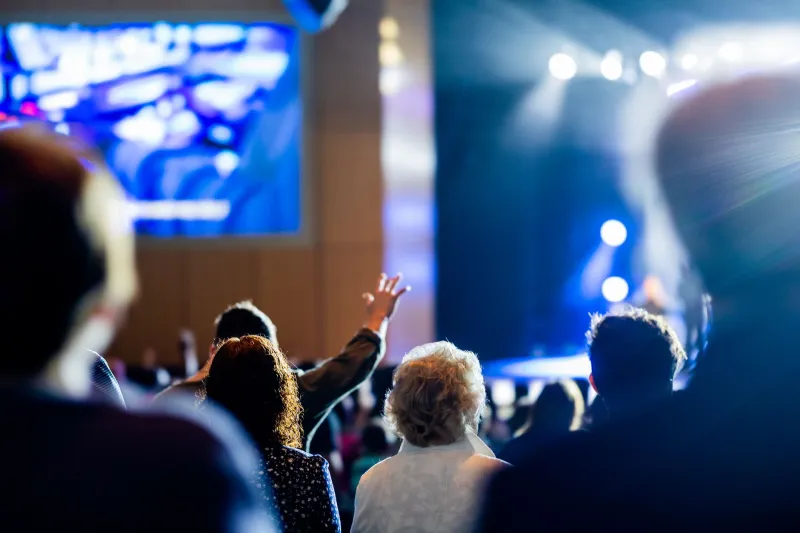
For most American theatergoers, the holiday season arrives on stage with a kind of cheerful predictability. The ghost of Marley rattles his chains. Sugar plum fairies take their positions. A familiar cast of Broadway favorites tours through convention centers dressed as theaters. There is comfort in this repetition — no one disputes that — but there is also, for many audiences and artistic directors alike, a creeping sense of exhaustion. The season has become a product, efficiently packaged and reliably delivered, and something essential has been lost in the efficiency.
The Carpathian theatrical tradition offers a striking counterpoint. In the mountain communities of western Ukraine and the surrounding region, winter performance has never been primarily about entertainment. It has been about necessity — the cultural and spiritual necessity of gathering in darkness, of marking the turning of the year, of telling stories that acknowledge both the beauty and the severity of what winter actually means. That tradition, carried forward by contemporary Carpathian theater practitioners, is now finding receptive audiences far from the mountains that gave it shape.
What Winter Means in the Carpathian Tradition
To understand what Carpathian winter theater offers, one must first understand how differently that culture has historically understood the season itself. In pre-Christian Carpathian communities, the winter solstice was not a prelude to celebration but a threshold — a genuinely liminal moment when the boundary between the living and the ancestral world grew thin, when the return of light was not assumed but collectively willed through ritual. Performance was inseparable from that willing.
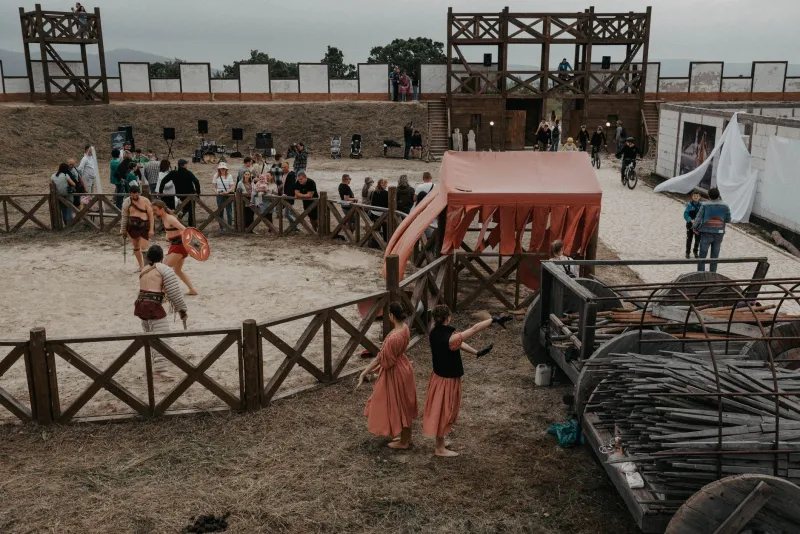
The Koliada tradition, which predates Christian influence in the region by centuries, involved groups of performers moving from household to household, carrying star-shaped lanterns, singing ritual songs, and enacting short dramatic scenes that combined blessing, prophecy, and communal memory. The performances were not passive spectacles. They demanded participation from hosts, reciprocity in the form of food and drink, and a shared understanding that the performers were functioning as intermediaries — between seasons, between the community and its ancestors, between darkness and returning light.
Contemporary Carpathian theater companies have not abandoned this framework so much as translated it for modern stages and modern sensibilities. The communal fire circle, the candlelit intimate performance space, the insistence on live acoustic music, the blending of folk narrative with contemporary dramatic text — these elements persist because they continue to serve a function that purely entertainment-driven programming cannot replicate.
American Companies Taking Notice
Over the past several years, a number of American regional theater companies have begun incorporating Carpathian winter performance practices into their seasonal programming, and the results have been notable enough to attract wider attention within the industry.
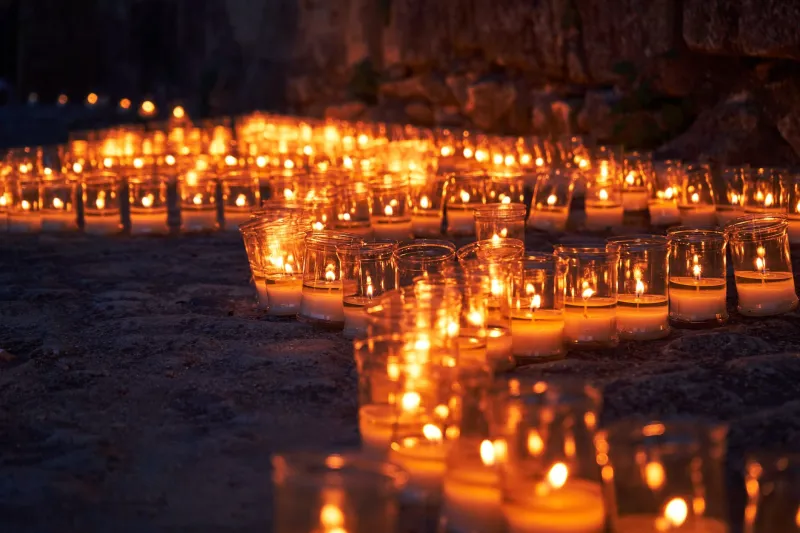
In the Pacific Northwest, where long winter nights and a strong tradition of community-centered arts make the cultural soil particularly receptive, several mid-sized companies have introduced what they describe as "solstice chamber performances" — small-capacity events held in non-traditional spaces, often with audience members seated in circular configurations around central staging areas, with minimal electric lighting supplemented by candles and lanterns. The programming at these events draws deliberately on Carpathian folk narrative structures: stories that do not resolve neatly, that hold grief and celebration in the same breath, that treat the audience as participants rather than consumers.
In the Midwest, where the winters are long and the theatrical infrastructure is often stretched thin, the Carpathian model of low-resource, high-meaning performance has found particular traction. The fire-circle narrative format — in which a single performer or small ensemble guides an audience through an extended story using minimal staging and maximum vocal and physical presence — translates remarkably well to community centers, church fellowship halls, and other spaces that would never be mistaken for conventional theaters. The intimacy that results is not a compromise. It is the point.
The Dramaturgy of Darkness
What distinguishes Carpathian winter theater most sharply from its American counterpart is its relationship to darkness — not as a problem to be solved with clever lighting design, but as a dramaturgical element in its own right. In the mountain tradition, the long night is not something to be cheerfully illuminated away. It is something to be entered, honored, and eventually — through collective presence and ritual action — gently released.
This philosophy has profound implications for how winter performances are structured. Rather than building toward triumphant, brightly lit finales, Carpathian-influenced productions often move in the opposite direction, drawing audiences deeper into quiet, into stillness, into a shared acknowledgment of what the season genuinely asks of us. The emotional register is not melancholy — it is, if anything, more honest about the full range of winter experience than the enforced cheerfulness that dominates most American holiday programming.
Several American dramaturgs who have studied Carpathian winter performance have noted that this approach tends to generate unusually strong audience responses. People cry, not from sadness precisely, but from something closer to recognition — the sense that the stage is finally naming something they have felt but had no cultural vocabulary to express. Winter, in the American entertainment economy, is supposed to be festive. The Carpathian tradition insists that it is also sacred, also difficult, also worthy of serious artistic attention.
Adapting Without Appropriating
The question of how American companies should engage with Carpathian winter traditions is one that responsible practitioners are thinking about carefully. The risk of surface-level adoption — borrowing the aesthetic markers of lanterns and folk costumes without understanding the cultural logic they embody — is real, and several Ukrainian and Carpathian cultural organizations have been vocal about the importance of genuine engagement over decorative borrowing.
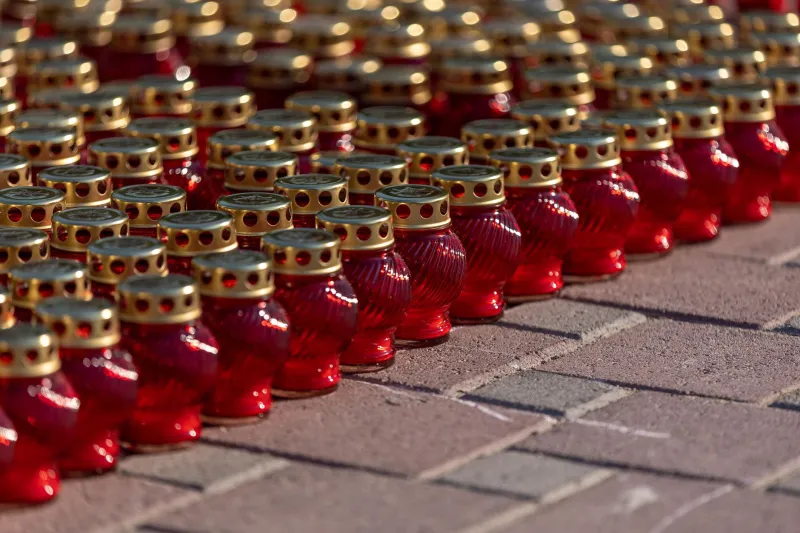
The companies doing this work most thoughtfully are those that have established ongoing relationships with Carpathian theater practitioners and scholars — inviting guest directors, commissioning new work from Carpathian playwrights, and building educational programming that gives American audiences genuine context for what they are experiencing. When an audience understands that the candle they are holding during a performance is not a theatrical prop but an echo of a centuries-old ritual logic, the experience of holding it changes entirely.
A Different Kind of Holiday Season
What American audiences are responding to, ultimately, is not the novelty of a foreign tradition but the depth of a cultural practice that takes winter seriously — that refuses to paper over the darkness with tinsel and treats it instead as an invitation to gather more closely, to tell more honestly, to remember what communal presence actually feels like.
The Carpathian mountains have always known that the longest nights require the most deliberate light. Not the light of spectacle, but the light of a single candle held among people who have chosen to face the dark together. American theater, at its best, has always known this too. The Carpathian winter tradition is not teaching American stages something entirely foreign. It is reminding them of something they have been in danger of forgetting.