The Trickster in the Village Square: Why Carpathian Comedy Belongs on American Stages Now
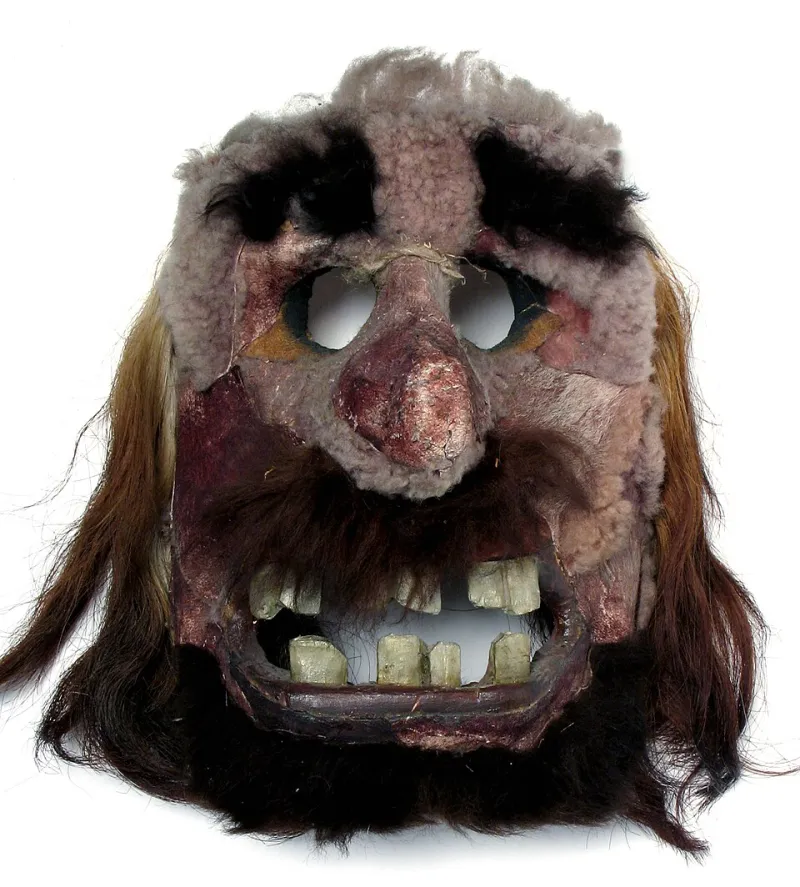
Photo: Edward Koprowski, CC BY-SA 4.0, via Wikimedia Commons
There is a moment in many Carpathian folk comedies when the village trickster tells a lie so obvious that the entire square knows it is a lie, and everyone plays along anyway. The laughter that follows is not an escape from the plot. It is the plot. The community has just rehearsed a harder truth under the cover of a joke, and no one had to be lectured.
American theater could use more of that. Not because the American stage is too serious in subject matter, but because it has become too solemn in manner. In 2026, with audiences exhausted by polarized programming and institutional self-importance, the Carpathian comic tradition offers a different model: laughter as a form of civic competence.
The Misreading of Seriousness
American regional theaters have spent years equating gravity with value. A play about grief is presumed deeper than a play about a neighbor's stolen goat. A production with a stark design is presumed more rigorous than one with a noisy village chorus. This hierarchy is not unique to the United States, but it has hardened here into a booking logic: serious plays signal institutional ambition, while comedies are treated as audience maintenance.
The result is a season that often feels split between obligation and relief. Audiences are asked to sit through importance and then rewarded with lightness. Carpathian folk drama does not make that split. Its comedies are not breaks from the real world. They are arguments about it, conducted through disguise, misrule, and the licensed insolence of the trickster.
What Carpathian Folk Comedy Actually Does
The comic tradition of the Carpathian region is not a single genre. It includes village satires, wedding farces, seasonal mumming, and trickster tales in which a weaker figure outwits a powerful one. What these forms share is a willingness to name friction inside the community—greed, vanity, infidelity, bureaucratic foolishness—without turning the naming into a sermon.
The trickster is central because the trickster is deniable. A fool can say what a neighbor cannot. A masked figure can mock the mayor, the priest, or the merchant, and the community can laugh because the criticism has been wrapped in performance. The joke does not resolve the conflict, but it gives the community a way to hold it. That is a sophisticated civic function, and it is closer to the oldest roots of theater than much of what passes for serious drama today.
Why American Audiences Are Exhausted
American audiences in 2026 are not tired of difficult ideas. They are tired of being managed. They are tired of plays that explain their own importance before the first scene, of post-show discussions that feel like corrective seminars, of programming that treats laughter as a failure of seriousness. The exhaustion is visible in subscription renewals, in the narrowing age of audiences, and in the quiet migration of younger spectators toward forms—stand-up, immersive experiences, live podcasts—that do not preface every joke with a thesis.
Carpathian comedy does not solve that problem by being safe. It solves it by being communal. The laughter is not a private response to a punchline; it is a shared act of recognition. When a village audience laughs at a corrupt official, they are not merely amused. They are confirming a common standard. That kind of laughter can coexist with grief, and often does.
The Caution About Importing Laughter
There is a risk in treating Carpathian comedy as a remedy. American companies have a habit of importing the surface of a tradition and calling it a strategy. A trickster costume is not a comic sensibility. A folk song inserted into a drawing-room comedy is not communal laughter. The work requires understanding the local target of the satire and the local rules of permission. Carpathian village comedy knows exactly whom it is mocking and how far it can go. An American production that borrows the form without that grounding will produce whimsy, not truth.
The better approach is structural. Ask what friction in the community is currently unspeakable in polite institutional language. Ask who in the room holds the license to name it. Ask whether the production is willing to let the audience laugh at something uncomfortable without immediately explaining why the laughter was acceptable.
A Modest Proposal for 2026
For the coming season, an American theater could do worse than to program one Carpathian-inspired comedy not as a palate cleanser but as a main argument. Pair it with a serious play, not to balance the season but to show that the two forms are doing the same work by different means. Let the comic production be as rigorously designed as the tragedy. Train the company in the discipline of the trickster, which is not improvisational chaos but precise social observation.
The goal is not to make American theater funny. It is to make it brave enough to be funny about the things that matter. Carpathian folk drama has been doing that for generations, in squares and halls and churchyards, with far fewer resources and far more trust in the audience. That trust is the real import. Laughter is how it travels.